How can manufacturers achieve higher productivity and quality standards? Industrial automation with Baumer sensors addresses this challenge directly. This article explains the core principles and practical applications for modern industry.

Defining Industrial Automation and Baumer Sensors
Industrial automation involves using control systems for operating equipment. These systems manage processes with minimal human intervention. Baumer sensors provide critical data for these automated operations.
These sensors detect physical properties and convert them into signals. Common measurements include position, temperature, and pressure. This data feeds directly into programmable logic controllers.
The context for this technology spans numerous manufacturing sectors. Automotive assembly and food processing rely heavily on such systems. Baumer components ensure consistent and reliable performance.
The Relevance of Sensor Technology Today
Modern production demands unprecedented levels of precision. Sensor technology enables this through accurate real-time monitoring. This capability is fundamental for quality control in manufacturing.
Data integrity from sensors supports complex decision-making algorithms. This allows for predictive maintenance and process optimization. The result is a significant reduction in operational downtime.
Global supply chains depend on automated systems for efficiency. Consistent sensor performance ensures logistical reliability. This technological foundation supports just-in-time manufacturing models.
Essential Tools for Automation Systems
An effective automation system integrates several key components. These include sensors, controllers, and actuators working in concert. Programmable logic controllers serve as the central processing units.
Baumer offers a comprehensive portfolio of sensing devices. Their product range includes photoelectric and inductive proximity sensors. Each device is engineered for specific industrial environments.
System integration requires careful planning and execution. Engineers must consider communication protocols and data formats. Proper installation ensures seamless interaction between all components.
Benefits and Operational Challenges
Implementing advanced automation yields substantial productivity gains. Companies report higher output with improved resource utilization. These systems also enhance workplace safety for personnel.
One primary challenge involves the initial capital investment. Companies must also manage the transition from manual processes. Employee training is crucial for successful technology adoption.
Maintaining system reliability requires proactive strategies. Regular calibration of sensors ensures ongoing accuracy. A robust maintenance schedule prevents unexpected production stoppages.
Implementation Strategies for Success
Successful deployment begins with a thorough needs assessment. Identify specific processes that will benefit most from automation. This focused approach maximizes return on investment.
Selecting the appropriate sensor type is critical. Consider environmental factors like temperature and potential contaminants. Baumer's technical support can guide this selection process.
Phased implementation reduces operational disruption. Start with a pilot project in a controlled area. Expand the system gradually based on initial results and lessons learned.
Future Directions in Industrial Sensing
Emerging trends point toward greater connectivity and intelligence. The Industrial Internet of Things will link sensors across entire facilities. This creates a comprehensive digital ecosystem.
Artificial intelligence will enhance diagnostic capabilities significantly. Machine learning algorithms can predict sensor failures before they occur. This evolution supports fully autonomous maintenance systems.
Miniaturization and energy efficiency are key development areas. Future sensors will offer more functionality in smaller packages. These advancements will open new applications in various industries.
Concluding Insights on Automation
Industrial automation continues to transform manufacturing landscapes. Baumer sensors play a vital role in this ongoing evolution. Their reliability and precision enable higher production standards.
The journey toward full automation requires strategic planning. Companies must balance technological capabilities with practical operational needs. A methodical approach ensures sustainable implementation.
Forward-thinking organizations will continue embracing these technologies. They represent the foundation for next-generation manufacturing. The future belongs to those who integrate automation effectively.
 The Complete Guide to Food Production Machinery and How Everyday Foods Are Made
- How Industrial Valves Enhance Safety and Performance in Metal Fabrication Plants
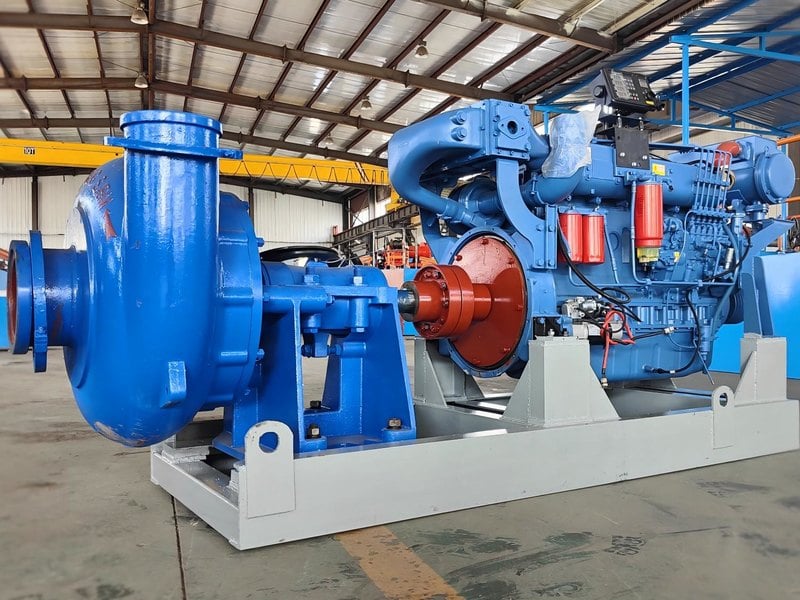
- How Hydraulic Dredge Pumps Improve Industrial Equipment Performance and Reliability
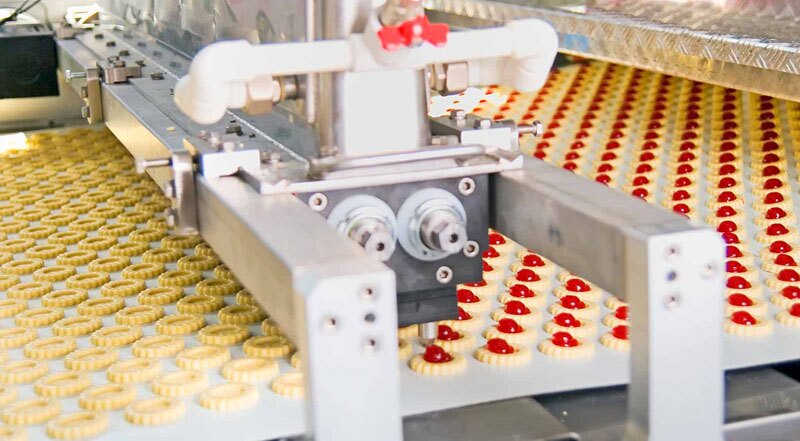
- A Comprehensive Guide to Food Industry Machinery and Production Systems
- How Cutting-Edge Tech Is Transforming Industrial Machinery in Modern Manufacturing
- Everything Else
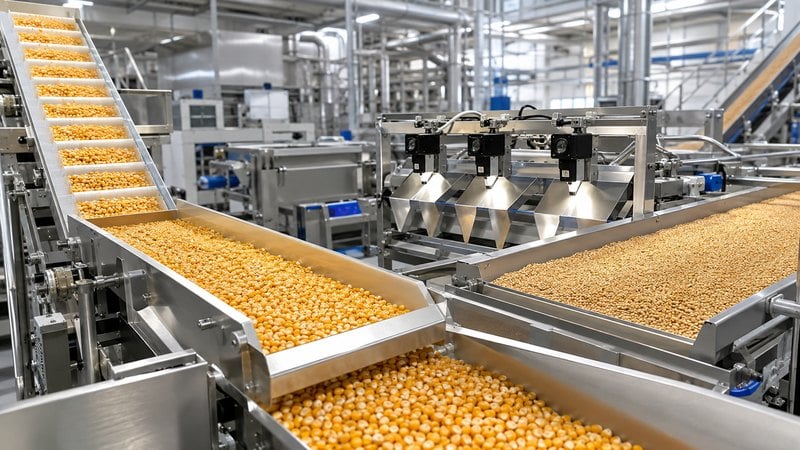
The Complete Guide to Food Production Machinery and How Everyday Foods Are MadeImagine a golden ear of corn growing under the warm sunlight or a field of wheat moving gently in the breeze. These simple crops may seem far away from the colorful snacks, breakfast foods, and packaged meals we enjoy every day.- Everything Else
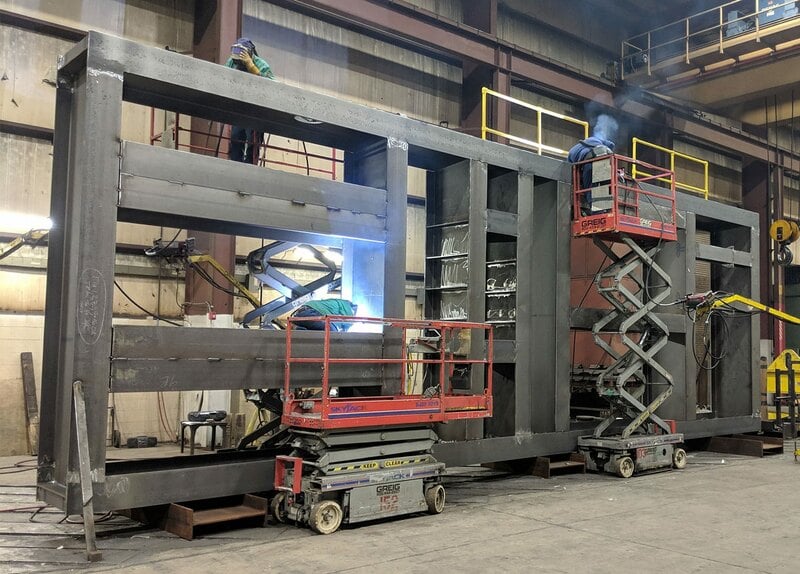
How Industrial Valves Enhance Safety and Performance in Metal Fabrication PlantsHow do industrial valves ensure safety in heavy metal fabrication? These components manage extreme pressures and corrosive materials. This article explains valve selection, installation, and maintenance for fabrication plants.- Everything Else
How Hydraulic Dredge Pumps Improve Industrial Equipment Performance and ReliabilityHow can industrial operations improve their material handling efficiency? Hydraulic dredge pump solutions address critical challenges in industrial equipment services. This article explains their function, benefits, and implementation for modern industry.- Everything Else
A Comprehensive Guide to Food Industry Machinery and Production SystemsHow does modern equipment shape food production today? Manufacturing equipment for food industry must meet strict safety and efficiency demands. This article explores key equipment types, benefits, implementation strategies, and future directions.- Everything Else
How Cutting-Edge Tech Is Transforming Industrial Machinery in Modern ManufacturingModern manufacturing is experiencing a rapid evolution, driven not just by new processes but by revolutionary changes in industrial machinery. From robotics to artificial intelligence, technology is redefining efficiency, precision, and sustainability. Understanding these trends is essential for manufacturers aiming to stay competitive in a global market that increasingly rewards innovation and adaptability.
- Unsold Electric Cars For Seniors Now Almost Given Away: View Prices
- Looking For Free Dental Implants? Check Out These Top Programs For Seniors
- Discover Affordable Senior Apartments Near You
- Empower Yourself With These HIV Treatment Choices
- Do You Know These Signs of Atopic Dermatitis
- How to Choose Reliable Dating Apps for Meaningful Connections