In today's rapidly evolving industrial arena, integrating advanced machinery is essential for businesses focused on boosting efficiency, minimizing costs, and maintaining a competitive edge. This exploration highlights how different types of machines can transform your business operations.
Automation and Robotics
-
Increased Productivity: Robots excel in delivering high outputs consistently as they can operate continuously without fatigue.
-
Enhanced Precision: Automation ensures superior accuracy, minimizing waste and guaranteeing the quality of products.
-
Safety: With the ability to undertake hazardous tasks, robots mitigate workplace injuries.
-
Cost Efficiency: Though initial costs are notable, the long-term savings in labor and the quick ROI from improved productivity and waste reduction make robots a wise investment.
CNC Technology
-
Consistency: CNC machines are pivotal in industries that demand uniformity, offering high repeatability in part production.
-
Flexibility: These machines can swiftly adapt to different productions with simple reprogramming, facilitating quick shifts in production processes.
-
Reduced Labor Costs: With minimal human oversight required, CNC machines decrease labor expenses and diminish the likelihood of human errors.
-
Complex Designs: Capable of crafting intricate and detailed designs, CNC machines can handle tasks impossible for manual execution.
3D Printing
-
Rapid Prototyping: This technology accelerates the development cycle, allowing for swift prototype creation and iterative refinement.
-
Customization: 3D printing supports the production of tailored products with as much ease as standard items, providing significant value in sectors like healthcare and fashion.
-
Waste Reduction: By adding material layer by layer, additive manufacturing drastically cuts waste compared to traditional manufacturing methods.
-
Cost-Effective Small Runs: Ideal for limited production batches, 3D printing avoids the high costs associated with traditional molds and setups.
Predictive Maintenance
-
Reduced Downtime: By forecasting potential malfunctions, predictive maintenance ensures continuous production without unexpected interruptions.
-
Cost Savings: Regular upkeep helps avoid costly repairs and extends the life of machinery.
-
Improved Safety: This proactive approach prevents accidents by maintaining equipment well before failures could occur.
-
Efficiency Optimization: Constant monitoring allows for adjustments that enhance machine performance and productivity.
Energy Efficiency
-
Lower Operating Costs: Machines designed for energy efficiency consume less power, substantially lowering utility expenses.
-
Environmental Impact: These technologies help reduce the carbon footprint, aligning manufacturing practices with sustainability targets.
-
Improved System Reliability: Energy-efficient machines often feature advanced designs that increase both reliability and lifespan.
-
Government Incentives: Utilizing energy-efficient solutions can also lead to financial incentives from government bodies.
Conclusion
Investing in modern industrial machinery provides a multitude of benefits, from increased productivity and safety to cost savings and environmental sustainability. Each machine type offers unique advantages that can profoundly impact the operational dynamics of a business. By prioritizing high-quality, versatile machinery, companies can protect themselves against rapid technological shifts and preserve a competitive stance in the dynamic marketplace.
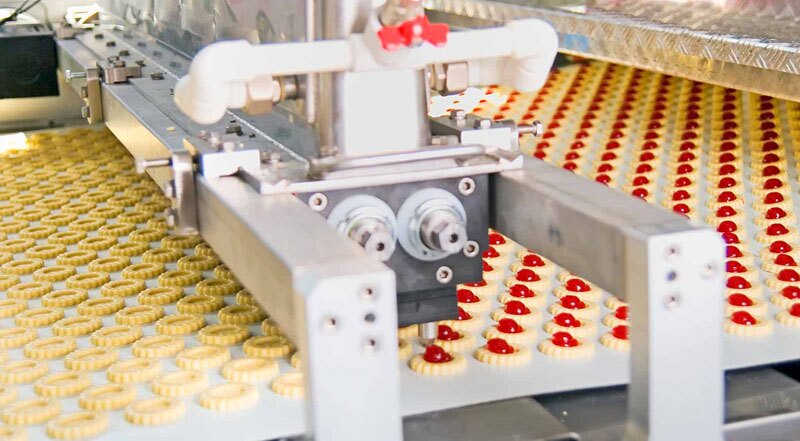
 The Complete Guide to Food Production Machinery and How Everyday Foods Are Made
- How Industrial Valves Enhance Safety and Performance in Metal Fabrication Plants
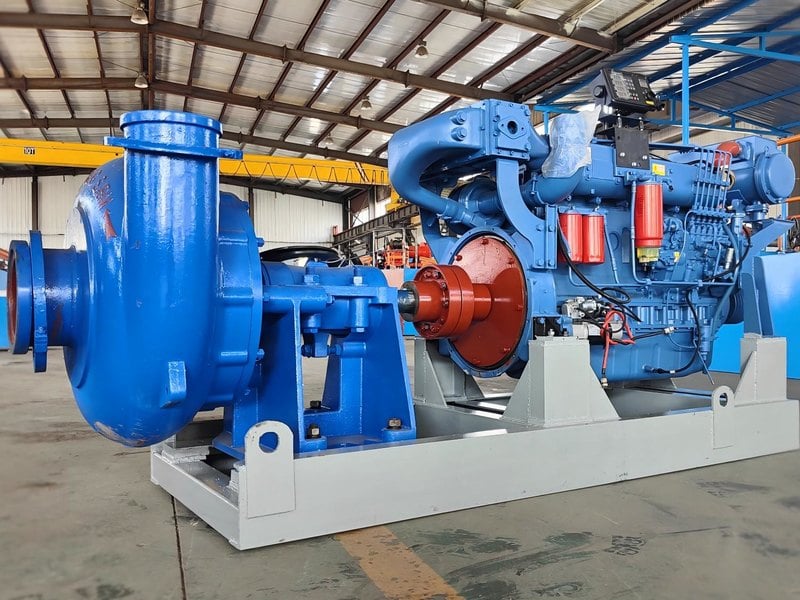
- How Hydraulic Dredge Pumps Improve Industrial Equipment Performance and Reliability
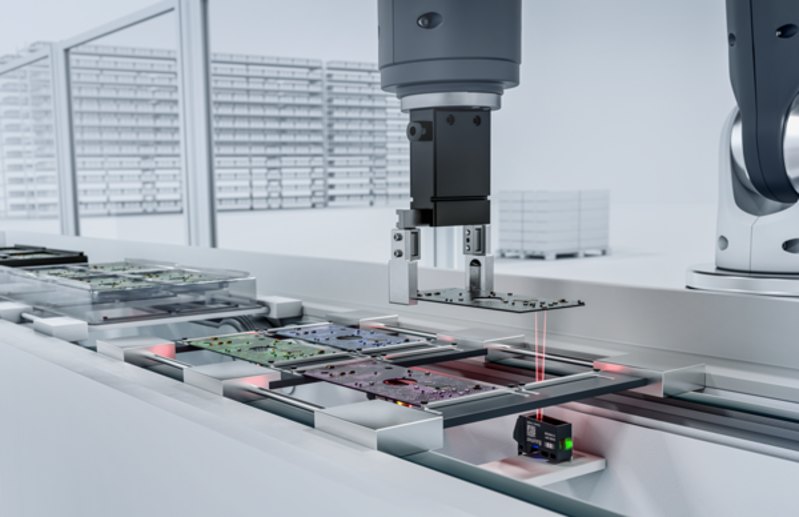
- Enhancing Industrial Automation Efficiency with Baumer Sensors
- A Comprehensive Guide to Food Industry Machinery and Production Systems
- Everything Else
The Complete Guide to Food Production Machinery and How Everyday Foods Are MadeImagine a golden ear of corn growing under the warm sunlight or a field of wheat moving gently in the breeze. These simple crops may seem far away from the colorful snacks, breakfast foods, and packaged meals we enjoy every day.- Everything Else
How Industrial Valves Enhance Safety and Performance in Metal Fabrication PlantsHow do industrial valves ensure safety in heavy metal fabrication? These components manage extreme pressures and corrosive materials. This article explains valve selection, installation, and maintenance for fabrication plants.- Everything Else
How Hydraulic Dredge Pumps Improve Industrial Equipment Performance and ReliabilityHow can industrial operations improve their material handling efficiency? Hydraulic dredge pump solutions address critical challenges in industrial equipment services. This article explains their function, benefits, and implementation for modern industry.- Everything Else
Enhancing Industrial Automation Efficiency with Baumer SensorsHow can manufacturers achieve higher productivity and quality standards? Industrial automation with Baumer sensors addresses this challenge directly. This article explains the core principles and practical applications for modern industry.- Everything Else
A Comprehensive Guide to Food Industry Machinery and Production SystemsHow does modern equipment shape food production today? Manufacturing equipment for food industry must meet strict safety and efficiency demands. This article explores key equipment types, benefits, implementation strategies, and future directions.
- Unsold Electric Cars For Seniors Now Almost Given Away: View Prices
- Looking For Free Dental Implants? Check Out These Top Programs For Seniors
- Discover Affordable Senior Apartments Near You
- Empower Yourself With These HIV Treatment Choices
- Do You Know These Signs of Atopic Dermatitis
- How to Choose Reliable Dating Apps for Meaningful Connections