Have you ever wondered how construction software is transforming modern design? From sketches to simulations, digital design tools are rewriting the rules of how buildings are imagined and built. What used to take weeks of drafting now happens in hours with a few clicks.

Today, construction design tools let you create, visualize, and test projects before construction even begins. You can explore materials, measure light, and calculate costs—all in one place. These tools bring precision and creativity together like never before.
In this new era, the future of design depends on how well we use construction software. Let's explore how these digital platforms are changing the design process and shaping the way we build.
1. The Shift from Traditional Design to Digital Construction
Design used to mean paper drawings and manual revisions. Every change took time, and mistakes often appeared only during construction. Digital construction software changed everything. Now, edits happen instantly, and designers can fix problems before they reach the building site.
Modern design tools also make teamwork seamless. Engineers, architects, and clients can share the same model, view updates live, and collaborate from anywhere. This real-time connection reduces errors and improves project flow.
Most importantly, construction software expands creativity. Designers can test bold shapes, complex materials, and futuristic structures that once seemed impossible. The result is smarter, faster, and more innovative design.
2. Understanding Construction Software and Design Tools
Construction software is more than a drafting platform—it's the brain of a modern project. These tools combine visualization, data, and project coordination in one integrated system. They make it possible to plan, analyze, and build with accuracy and efficiency.
Popular tools like Revit, SketchUp, and AutoCAD are used across the design industry. They let you create detailed 3D models, test different configurations, and export data directly for construction.
More advanced systems, such as Building Information Modeling (BIM), add even more intelligence. BIM-based construction software connects design details with real-world data, such as material performance, energy use, and maintenance schedules. This turns every project into a dynamic, data-rich digital twin.
3. How 3D Design Tools Are Changing the Game
3D modeling sits at the heart of modern construction software. It replaces flat drawings with lifelike models that can be viewed from every angle. Designers can explore how materials look under light, how space flows, and how each component fits together.
This visual clarity helps identify potential issues before they become costly. Adjustments can be made digitally in seconds instead of fixing problems on-site. Clients benefit too—they can see exactly what the finished project will look like.
3D design tools also help simulate real-world conditions. You can test how structures respond to heat, wind, or vibration. This ensures both performance and safety, long before construction begins.
4. The Power of Collaboration in Digital Design
Construction design is a team effort, and digital design tools make collaboration smoother than ever. Cloud-based construction software allows multiple users to work on the same model simultaneously.
When one designer updates the blueprint, everyone else sees the changes instantly. This keeps communication clear and eliminates the confusion that comes from using outdated files.
For global teams, this is revolutionary. Designers in one country can collaborate with engineers or clients halfway across the world, all inside a shared digital environment. Construction software has made design truly borderless.
5. How Construction Software Boosts Efficiency and Sustainability
Construction software isn't just about speed—it's about smart design. These digital tools help minimize waste, save time, and reduce costs through better planning.
Energy modeling, for example, allows designers to predict how a building will use light and air. By adjusting design choices early, you can improve sustainability and cut operating costs later.
Cost-estimation tools also help manage budgets. Instead of guessing material needs, construction software can calculate them automatically. This makes every project more predictable and environmentally responsible.
6. Common Challenges with Digital Design Tools
Switching to digital platforms can be challenging. Many teams face steep learning curves, high licensing costs, and the need for ongoing software updates.
Not every designer is comfortable moving from hand-drawing to computer modeling. That's why training and gradual integration are essential. Once teams adapt, productivity often rises dramatically.
Another challenge is data security. Construction projects store large amounts of sensitive data in the cloud. Reputable software companies now offer encryption and controlled access to keep every file safe.
7. The Rise of AI in Construction Design
Artificial intelligence is the newest force shaping the world of construction software. AI can now analyze design plans, detect flaws, and suggest improvements automatically.
For instance, AI tools can predict how layout changes affect cost, airflow, or energy use. Designers can experiment freely, knowing that the software will guide them toward the most efficient solution.
Automation is another advantage. Repetitive tasks like labeling, measuring, and rendering can be done instantly, freeing up designers to focus on creativity. With AI-driven construction software, projects move faster and smarter than ever.
8. The Human Touch in Digital Design
Even as technology evolves, human creativity remains at the center of great design. Construction software enhances imagination—it doesn't replace it. Digital design tools take care of repetitive work, allowing designers to think, explore, and innovate freely.
The best projects come from collaboration between human vision and digital precision. Software makes the technical side easy, while designers bring emotion, aesthetics, and storytelling to the table.
The balance between technology and creativity defines the next generation of design. When both work together, the results are powerful, practical, and inspiring.
Conclusion
The future of design is digital—and construction software is leading the way. These design tools give creators the freedom to test ideas, fix problems early, and work together in real time.
Yes, challenges exist—learning curves, costs, and data safety—but the rewards are greater creativity, speed, and sustainability. Design is no longer limited by tools; it's empowered by them.
In the years ahead, those who master construction software will shape the world's next great buildings. Because in the digital age, design isn't just imagined—it's engineered with precision.
 Learn More About Food Production Machinery and How Your Snacks Are Made
- How to Find the Right Lawyer for You?
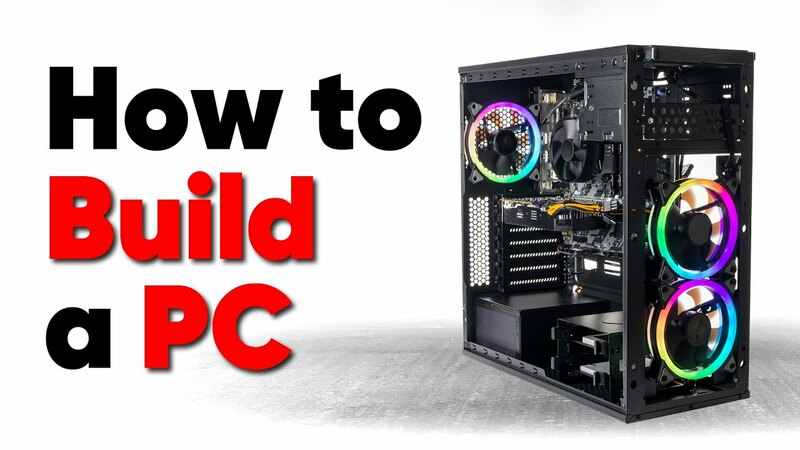
- A Complete Guide to Designing and Building Your PC with Construction Tools
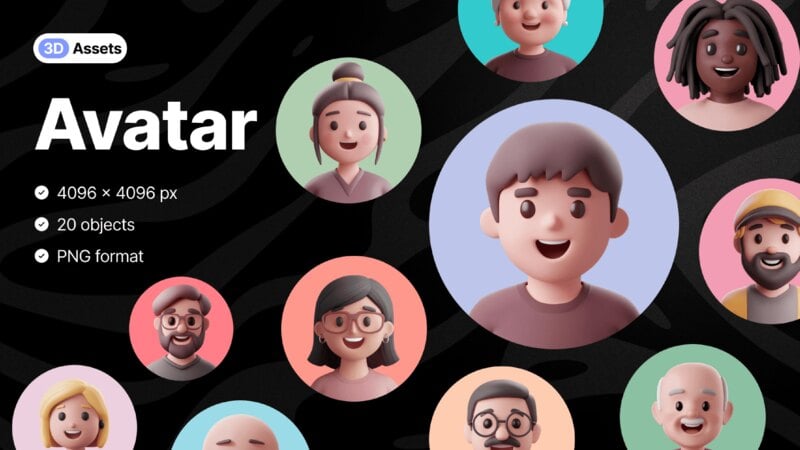
- The Ultimate DIY Anime Character Customizer: Create Your Dream Avatar
- A Complete Guide to Becoming a Fashion Designer


- Lifestyle
Learn More About Food Production Machinery and How Your Snacks Are MadePicture a bright field of corn under the summer sun or a patch of wheat rippling in the wind. The trip from those farm rows to the snacks in lunch bags and the staples in kitchen cabinets is surprisingly long. Along the way, remarkable machinery does the hard work of turning simple harvests into the foods people recognize and enjoy every day.- Everything Else
How to Find the Right Lawyer for You?Finding the right lawyer can feel overwhelming, especially when you are unsure about what qualities to prioritize in legal counsel. Whether you are navigating a family law issue, a personal injury claim, or a business-related conflict, the right attorney can play a key role in your case’s process and resolution. This article offers key advice to help you locate the ideal lawyer for your unique situation.- Lifestyle
A Complete Guide to Designing and Building Your PC with Construction ToolsHave you ever thought about designing your own PC from the ground up—with every part tailored exactly to your workflow, style, and performance goals? Today, building a computer is no longer limited to enthusiasts or IT professionals. With the help of modern construction software, anyone can visualize, organize, and assemble a high-performance system that meets their exact specifications.- Lifestyle
The Ultimate DIY Anime Character Customizer: Create Your Dream AvatarImagine being able to build your own anime persona from the ground up—every strand of hair, every outfit, every expression crafted exactly the way you want. Thanks to the rise of DIY anime character customizers, that fantasy is now a reality. These interactive tools give fans the freedom to design characters that feel personal, expressive, and ready to live in any creative world.- Lifestyle
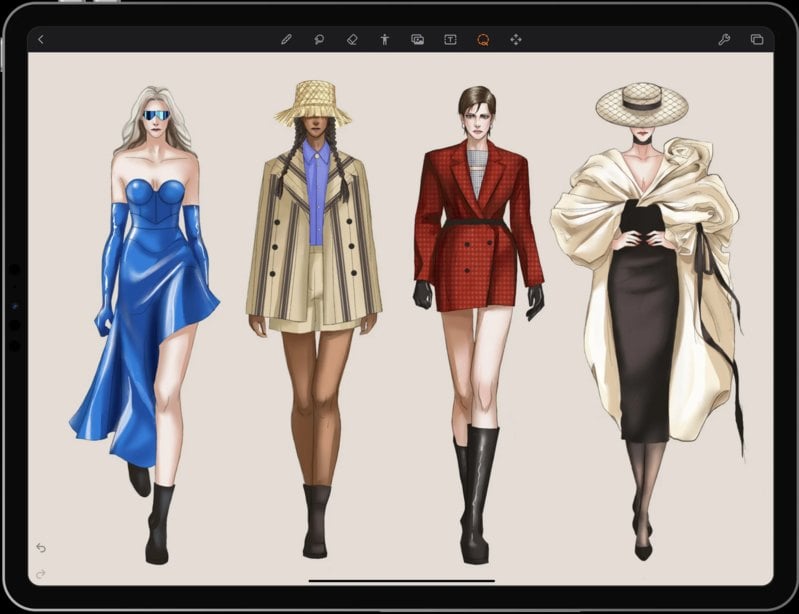
A Complete Guide to Becoming a Fashion DesignerAs someone fascinated by style and creativity, you no longer need a professional studio or expensive computer to start designing clothes. With just your smartphone and the right mobile apps, you can sketch, color, and build complete fashion concepts anywhere. This guide shows you how to become a fashion designer using mobile software—step by step, from your first sketch to your finished digital collection.
- Unsold Electric Cars For Seniors Now Almost Given Away: View Prices
- Looking For Free Dental Implants? Check Out These Top Programs For Seniors
- Discover Affordable Senior Apartments Near You
- Empower Yourself With These HIV Treatment Choices
- Do You Know These Signs of Atopic Dermatitis
- How to Choose Reliable Dating Apps for Meaningful Connections